Sometimes car dents seem minor at first sight. Over time, they change how a vehicle looks. Even though it feels like driving. In busy areas like Henderson and Las Vegas, NV, heavy traffic, strong heat, and tight parking spaces make dents almost unavoidable. And choosing the right repair method becomes very important. Paintless vs traditional dent repair often creates confusion for many vehicle owners. In the meantime, each of the two approaches has a purpose and a role.
This blog clearly explains the differences between paintless and traditional dent repair, in a simple, natural, and easy way, so decisions feel confident, informed, and stress-free.
What Is Paintless Dent Repair (PDR)?
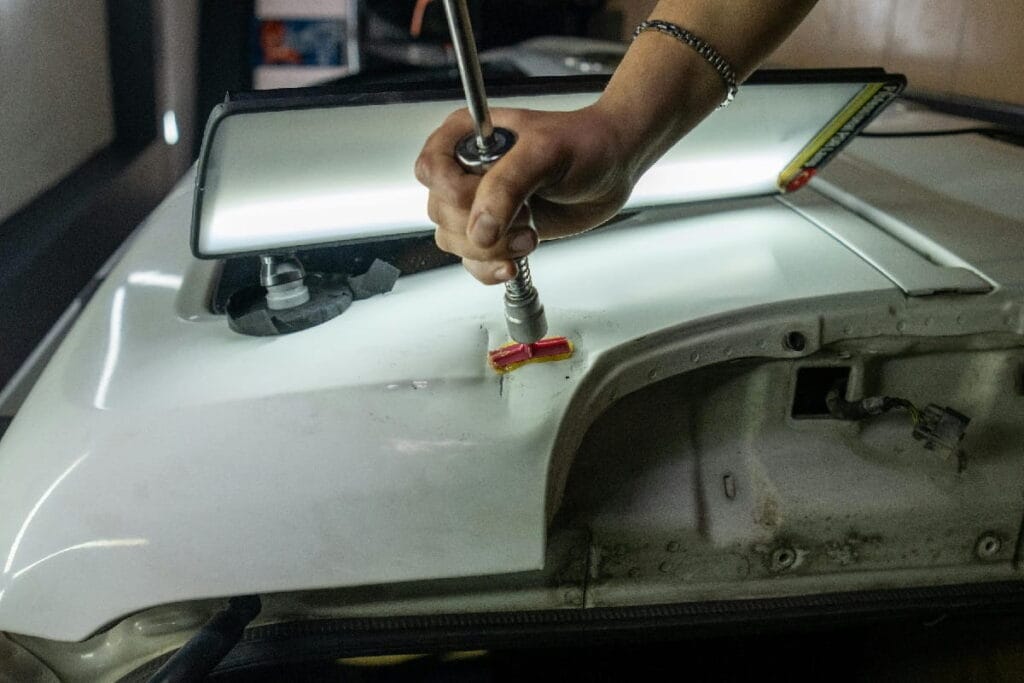
Paintless dent repair vs traditional dent repair begins with understanding PDR. Paintless dent repair is a process that removes a dent without repainting a car. Technicians manipulate the metal to re-deform it behind the panel. Thus, the original paint is not touched. This process is the most suitable for small to medium dents with intact paint.
What Is Traditional Dent Repair?
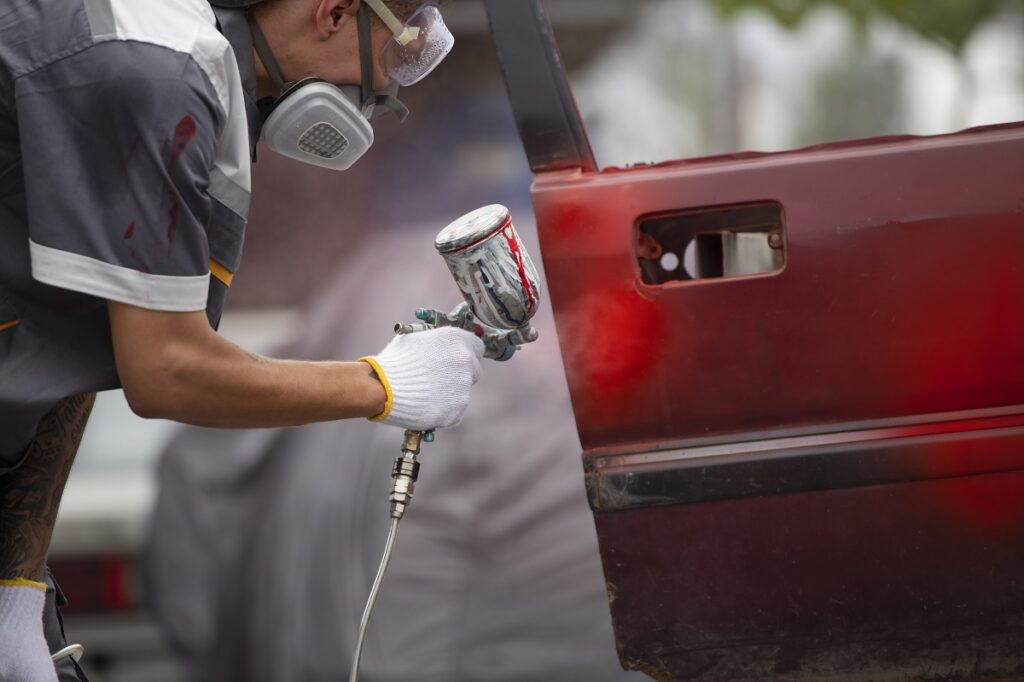
Traditional vs paintless dent repair differs strongly here. Traditional dent repair involves repairing dents with fillers, sanding, and repainting. Damages are remodeled, stuffed, and color-matched. Consequently, the technique is appropriate for deep dents, cracked paint, or severe damage. It, however, has more steps and changes in material.
Paintless Dent Repair vs Traditional Dent Repair: Key Differences
1. Repair Process
The difference between paintless and traditional dent repair starts with technique. Paintless repair reshapes metal slowly and carefully. Traditional repair, however, is done with fillers and paint layers. Thus, the original structure is maintained, and the other recreates the areas that were damaged at all.
2. Cost
Paintless dent repair vs. conventional dent repair shows a clear cost gap. Paintless repair usually costs less because fewer materials are required. Traditional repairs cost more due to paint, labor, and drying time. As a result, minor dents often cost significantly less with PDR.
3. Time Required
Time matters, especially in busy cities like Las Vegas. PDR vs. traditional dent repair shows that PDR often finishes within hours. Traditional methods may take several days. Therefore, faster turnaround becomes a strong advantage for paintless solutions.
4. Paint Preservation
Original paint holds value. Paintless dent repair vs traditional dent repair highlights this clearly. PDR keeps factory paint intact. Traditional repair removes and replaces paint layers. As a result, factory finishes remain untouched, only with paintless repair.
5. Resale Value Impact
Resale value depends on originality. Traditional vs paintless dent repair affects this directly. Vehicles repaired with PDR often show no repair history. However, repainted panels can lower resale trust. Therefore, paintless repair often protects long-term value.
6. Environmental Impact
Environmental care matters today. Paintless dent repair vs conventional dent repair shows that PDR uses no chemicals or paints. Traditional repair releases fumes and waste. As a result, paintless repair supports a cleaner, safer environment.
Cost Comparison Between Paintless & Traditional Methods
Paintless vs. traditional dent repair costs vary based on damage. Paintless repair usually costs less because it skips paint and fillers. Traditional repair adds labor and materials. Therefore, total expenses increase. According to the U.S. Department of Energy, reduced material use also lowers environmental and operational costs.
Factors Affecting Pricing
1. Dent Size & Depth
Dent size plays a major role in paintless dent repair vs traditional dent repair pricing. Small, shallow dents cost less with PDR. Deep dents require more effort or traditional repair. Therefore, severity directly impacts cost.
2. Vehicle Type
Vehicle material matters in PDR vs traditional dent repair. Aluminum panels require special tools and skill. Luxury or larger vehicles also increase cost. As a result, pricing is adjusted based on the structure and material strength.
3. Location of Damage
Dent location affects access. Paintless vs conventional dent repair becomes easier on flat panels. Edges and curves take more time. Therefore, complex locations may push repairs toward traditional methods.
Repair Time & Convenience: Which Is Faster?
Speed defines convenience. PDR vs traditional dent repair clearly favors paintless methods for quick fixes. Many repairs finish the same day. Traditional repair involves curing and repainting. Therefore, paintless repair suits busy schedules in Henderson and Las Vegas.
Paintless vs Traditional Dent Repair: Pros & Cons
1. Pros of Paintless Dent Repair
Paintless dent repair vs traditional dent repair offers speed, lower cost, and paint protection. Repairs often finish quickly. Original paint stays safe. Meanwhile, resale value remains strong. Environmental impact also stays minimal.
1.1 Cons of Paintless Dent Repair
Traditional vs paintless dent repair reveals limits. Paintless repair cannot fix cracked paint or sharp dents. Severe damage needs other methods. Therefore, PDR works best only under specific conditions.
2. Pros of Traditional Dent Repair
PDR vs traditional dent repair shows that traditional repair handles severe damage well. Deep dents, torn metal, and paint damage get fully restored. As a result, appearance returns even after major accidents.
2.1 Cons of Traditional Dent Repair
Paintless vs conventional dent repair highlights downsides here. Traditional repair costs more and takes longer. Paint may not perfectly match the factory finish. Therefore, resale value and originality may decrease.
PDR vs Traditional Repair: Insurance Coverage
Insurance often covers both options. Paintless vs traditional dent repair coverage depends on damage type. Many insurers prefer PDR for hail damage because it is less costly. Traditional repair applies when paint damage exists. The Insurance Information Institute reports that insurers typically repair selections at low cost before doing so at high cost.
Which Dent Repair Method Is Best for Your Car in Nevada?
Choosing depends on damage severity. The difference between paintless and traditional dent repair becomes clear with inspection. Small dents without paint damage are suitable for PDR. Severe damage needs traditional repair. Climate, sun exposure, and vehicle value also matter in Nevada conditions.
Conclusion
Dents deserve careful repair choices. Paintless Vs Traditional Dent Repair both serve important roles in Henderson and Las Vegas, NV.
Paintless repair protects paint, time, and value. Traditional repair restores heavily damaged vehicles. Understanding the difference between paintless and traditional dent repair ensures smarter decisions, better results, and long-term vehicle satisfaction.